Graduation project : Pin Pals

Onboarding Communication System - Making digital banking feel human, tangible, and easy to trust.

Role

Graphic Design Intern

Client

Kotak 811

Industry

Fintech

Duration

6 months
image
image
image

Context

Kotak 811 is a digital-first bank built around convenience, accounts opened through an app, KYC done online, and most interactions happening entirely on a screen.

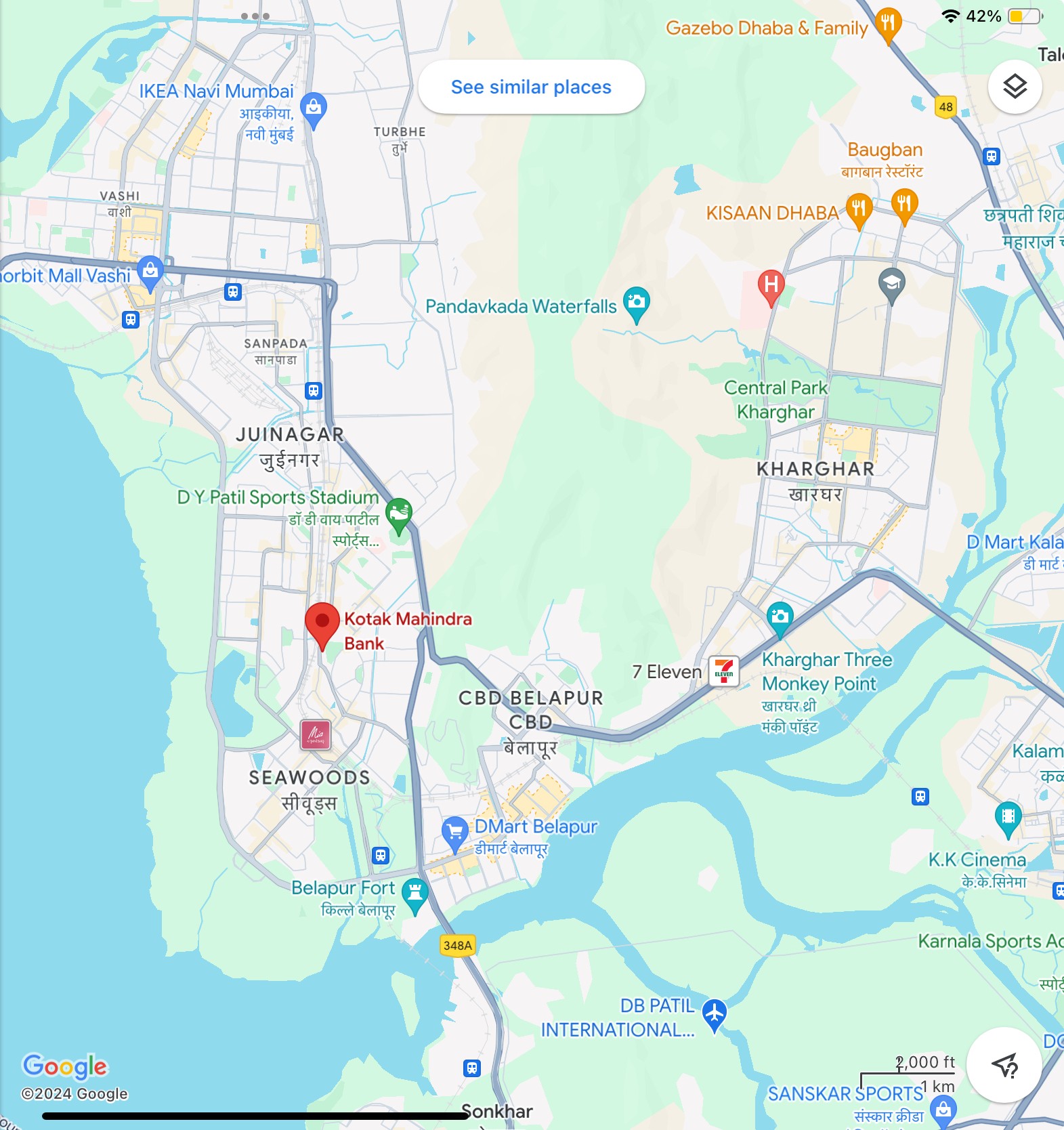
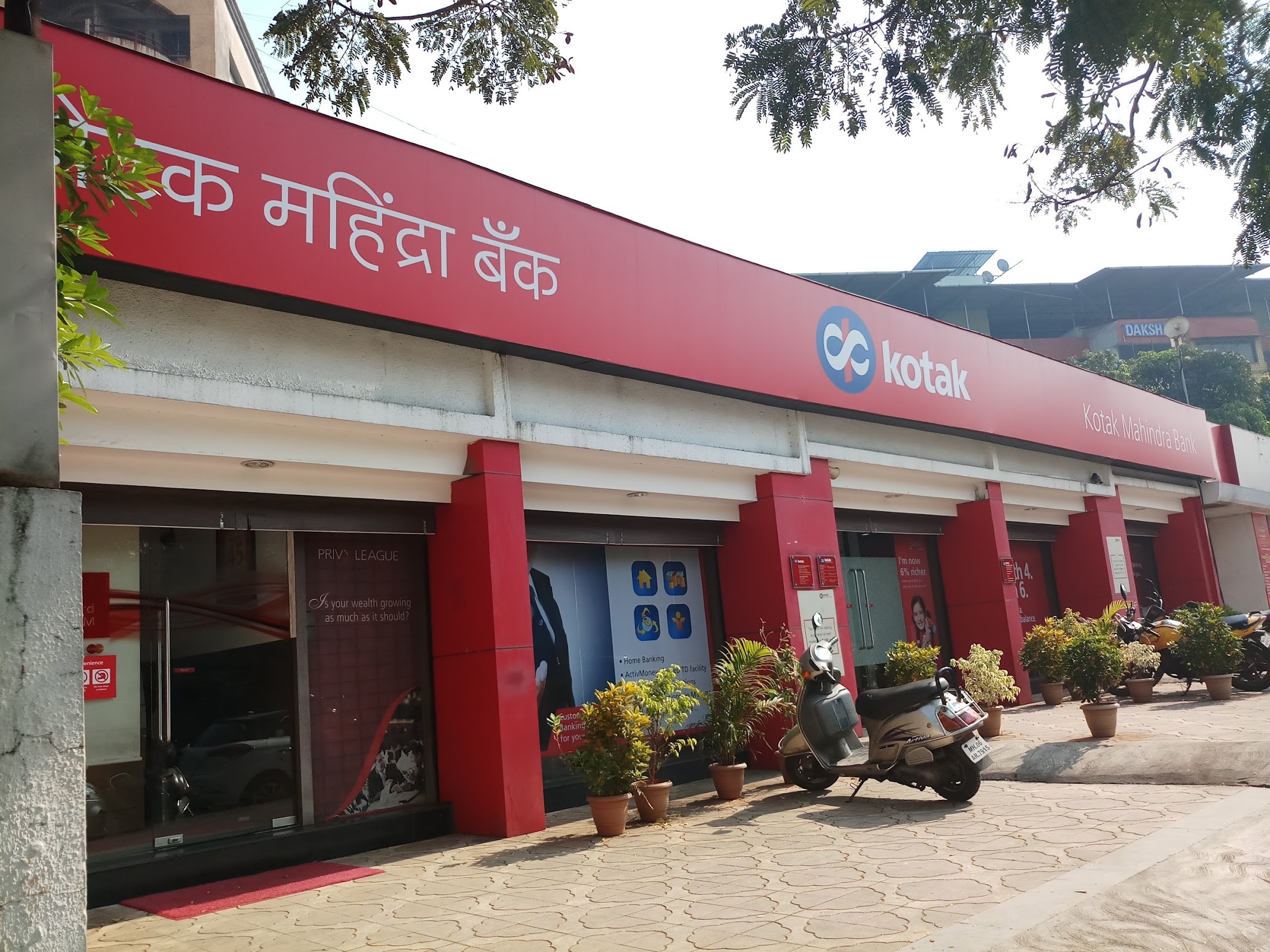
As part of my graduation project, I worked with the Kotak 811 team to understand how customers actually experienced this onboarding journey. Instead of relying only on dashboards or assumptions, I conducted on-ground research across branches in Nerul and Vashi, and the VKYC center in Thane, observing real people opening accounts in real time.

Many were first-time digital banking users: shop owners, delivery workers, families, and elderly customers. While they were comfortable with smartphones for calls, YouTube, or WhatsApp, banking still felt unfamiliar and intimidating.

The experience revealed a clear gap, not in technology, but in communication and confidence.

Problem

Despite being designed as self-serve, most users depended heavily on agents during onboarding.

I observed:

  • confusion around steps and terminology

  • language barriers

  • low financial literacy

  • hesitation using the app independently

  • reliance on verbal instructions instead of official communication

But one insight stood out the most.

Digital banking didn’t feel like receiving a product.

In traditional banking, opening an account comes with something physical like a passbook, cheque book, documents. Something you can hold. Something that feels real.

With digital onboarding, there was nothing tangible to anchor the experience.

Without that sense of ownership, users felt unsure and dependent.

The process felt invisible and therefore harder to trust.

Context

Kotak 811 is a digital-first bank built around convenience, accounts opened through an app, KYC done online, and most interactions happening entirely on a screen.

As part of my graduation project, I worked with the Kotak 811 team to understand how customers actually experienced this onboarding journey. Instead of relying only on dashboards or assumptions, I conducted on-ground research across branches in Nerul and Vashi, and the VKYC center in Thane, observing real people opening accounts in real time.

Many were first-time digital banking users: shop owners, delivery workers, families, and elderly customers. While they were comfortable with smartphones for calls, YouTube, or WhatsApp, banking still felt unfamiliar and intimidating.

The experience revealed a clear gap, not in technology, but in communication and confidence.

Problem

Despite being designed as self-serve, most users depended heavily on agents during onboarding.

I observed:

  • confusion around steps and terminology

  • language barriers

  • low financial literacy

  • hesitation using the app independently

  • reliance on verbal instructions instead of official communication

But one insight stood out the most.

Digital banking didn’t feel like receiving a product.

In traditional banking, opening an account comes with something physical like a passbook, cheque book, documents. Something you can hold. Something that feels real.

With digital onboarding, there was nothing tangible to anchor the experience.

Without that sense of ownership, users felt unsure and dependent.

The process felt invisible and therefore harder to trust.

image
image
image
image
image
image

Solution

Instead of redesigning the app, I focused on supporting the journey outside the screen.

  1. Designing for tangibility

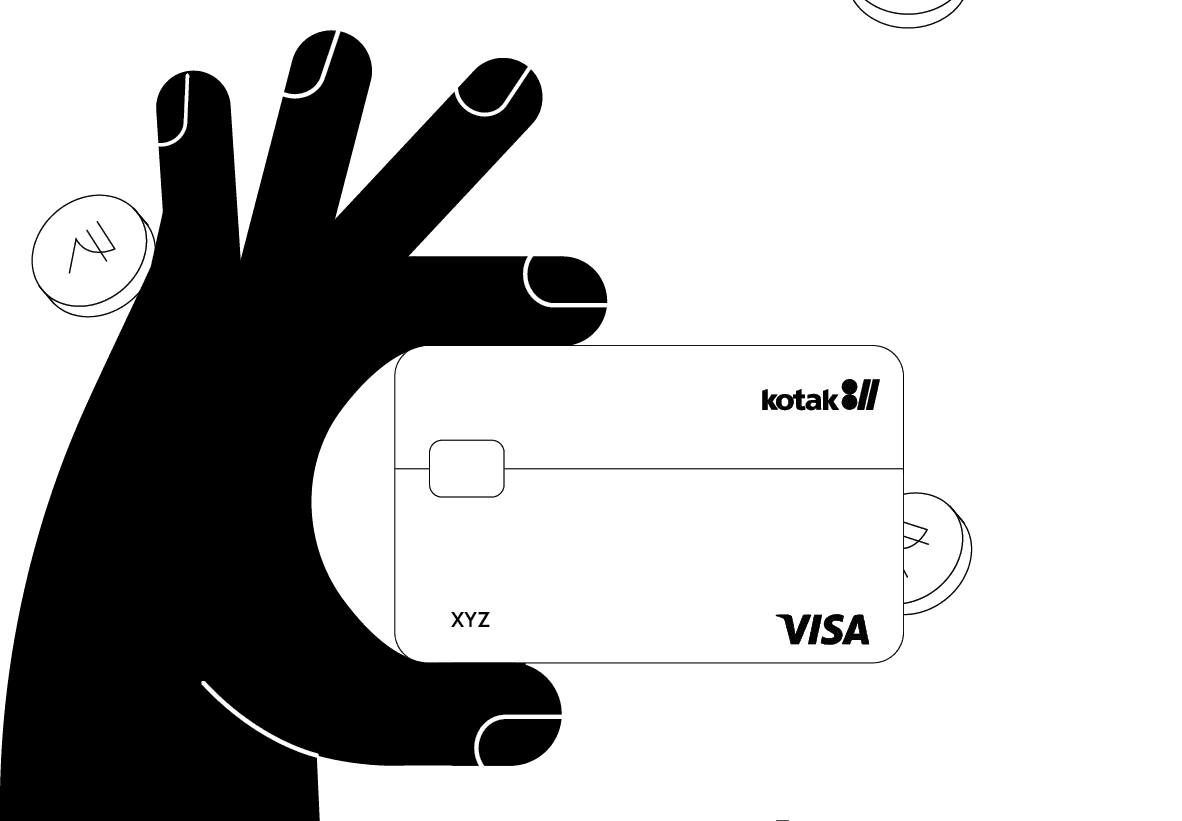
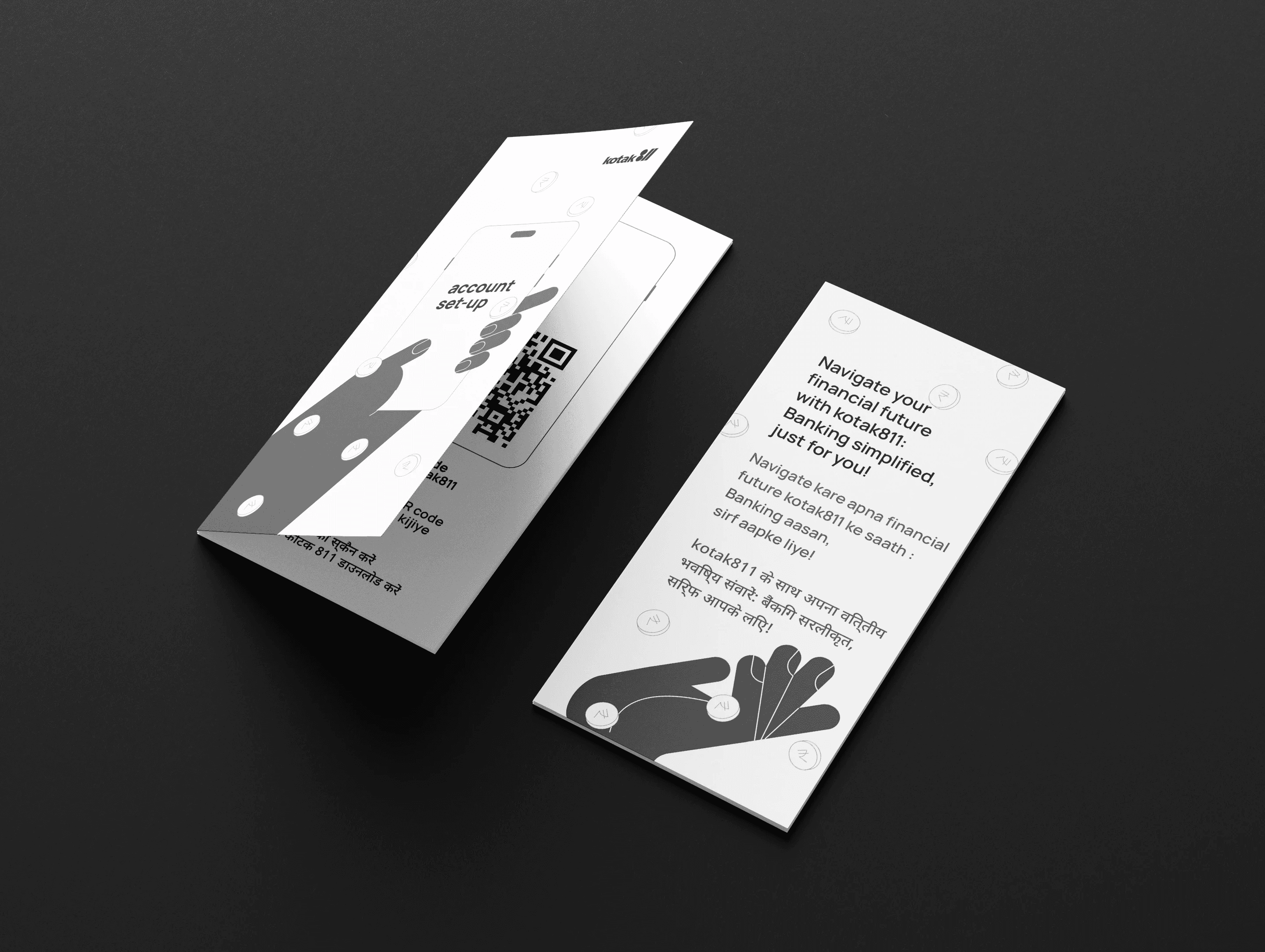
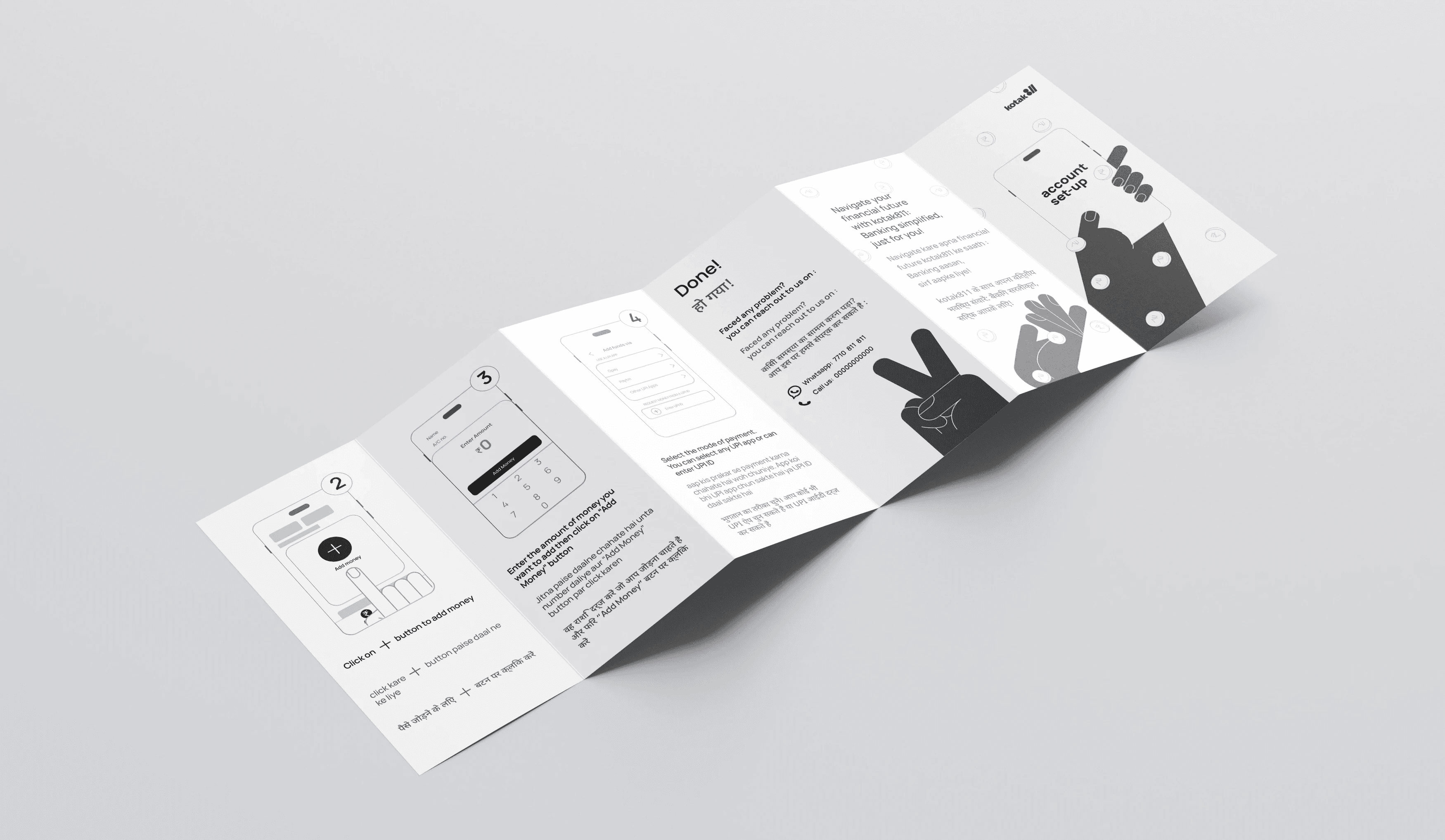
I created a set of lightweight physical onboarding guides that users could hold, carry, and refer to anytime, turning an abstract digital process into something more approachable.

  1. Designing as part of the product

Rather than existing as standalone brochures, these guides were integrated directly into the debit/credit card packaging and welcome kits.
This made them feel like part of the product itself, not extra instructions, reinforcing the feeling of “receiving something” when opening an account.

  1. Designing for clarity

The guides:

  • break steps into small, actionable chunks

  • use illustrations over dense text

  • remove jargon

  • focus on “what to do next”

  1. Designing for Mumbai

During research, I noticed people read in different ways:

  • English

  • Hindi

  • Hindi written in English alphabets (Hinglish)

So the system was designed in three language formats, ensuring familiarity and accessibility across diverse users.

  1. Designing within constraints

I intentionally worked with real-world production limits, including printing methods and a ₹7 cost ceiling.

Working within these constraints helped me simplify content, prioritize information, and create something scalable, not just idealistic.

image
image
image
image
image
image
image
image
image

Outcome

The final system made onboarding feel more human and tangible.

Users now had:

  • a physical reference point

  • clearer step-by-step guidance

  • familiar language

  • reduced dependence on agents

  • and greater confidence navigating independently


For the business, the solution:

  • fit seamlessly into existing card packaging

  • remained low-cost

  • and scaled easily across branches


For me, this project reshaped how I see design.

It taught me that sometimes the most effective solution isn’t another screen, it’s better communication, better context, and something you can simply hold in your hands.

This was the project where I stopped designing interfaces and started designing experiences around people.


Want a detailed insight of the project? Here's the link -

Pin Pals ( <- click to view)

Outcome

The final system made onboarding feel more human and tangible.

Users now had:

  • a physical reference point

  • clearer step-by-step guidance

  • familiar language

  • reduced dependence on agents

  • and greater confidence navigating independently


For the business, the solution:

  • fit seamlessly into existing card packaging

  • remained low-cost

  • and scaled easily across branches


For me, this project reshaped how I see design.

It taught me that sometimes the most effective solution isn’t another screen, it’s better communication, better context, and something you can simply hold in your hands.

This was the project where I stopped designing interfaces and started designing experiences around people.


Want a detailed insight of the project? Here's the link -

Pin Pals ( <- click to view)

Other projects

Interested in connecting?

Let’s talk projects, collaborations, or anything design!

Interested in connecting?

Let’s talk projects, collaborations, or anything design!

Interested in connecting?

Let’s talk projects, collaborations, or anything design!